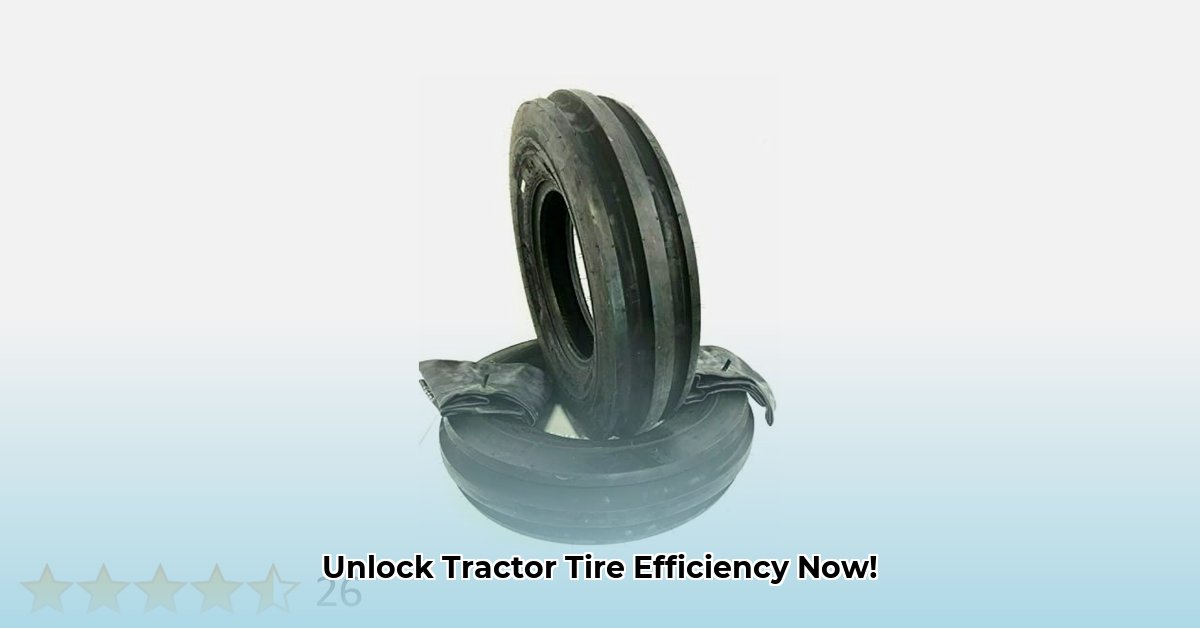
Your tractor tires are a critical component of sustainable farming practices. While seemingly small, 4.00 x 12 tires significantly impact fuel efficiency, soil health, and overall operational costs. This guide provides actionable insights into selecting, maintaining, and maximizing the performance of these essential components, ultimately contributing to a more sustainable and profitable farming operation. For more information on tire inner tubes, check out this helpful resource: inner tube guide.
Understanding 4.00 x 12 Tractor Tires: Technical Specifications and Performance
The designation "4.00 x 12" refers to the tire's width (4.00 inches) and the rim diameter (12 inches). These pneumatic tires, filled with air, provide cushioning, improving ride comfort, traction, and reducing vibration. Their performance characteristics directly influence both your farm's efficiency and its environmental impact.
Traction: Adequate traction is paramount, especially in wet or muddy conditions. Poor traction leads to wheel spin, soil compaction, and increased fuel consumption. Aggressive tread patterns generally improve traction, particularly in heavy soils. Isn't maximizing traction crucial for minimizing fuel waste and preventing soil damage?
Load Capacity: Each tire has a maximum weight capacity. Exceeding this limit leads to premature wear and potential tire failure. Always consult the manufacturer's specifications to ensure safe operation. Overloading tires isn't just damaging; it's also an economic drain.
Rolling Resistance: This represents the energy lost as the tire rolls. Lower rolling resistance directly translates into improved fuel efficiency. Consider this: studies have shown that even a slight reduction in rolling resistance can lead to significant annual savings in fuel costs.
Sustainable Practices and Tire Selection
Choosing the right 4.00 x 12 tire is crucial for sustainable farming. Different soil types require different tread patterns and constructions:
Heavy Clay Soils: Flotation tires, designed to distribute weight over a larger area, minimize compaction. These tires are essential for preventing soil damage and maximizing crop yields.
Sandy or Light Soils: Tires with less aggressive tread patterns offer a balance of traction and reduced compaction. Overly aggressive treads can be detrimental in loose soils.
Tire Pressure: Maintaining the correct tire pressure is critical. Under-inflation increases compaction and fuel consumption; over-inflation reduces traction and increases wear. Regular pressure checks using an accurate gauge are essential. A recent study showed a 9% increase in fuel efficiency with optimal tire pressure.
Tire Maintenance and Longevity
Proper tire maintenance extends their lifespan and significantly reduces costs. A consistent maintenance routine is an investment in your farm's long-term sustainability.
Actionable Steps:
- Weekly Pressure Checks: Check pressure using a reliable gauge at least once a week, more frequently in demanding conditions.
- Visual Inspections: Regularly inspect tires for cuts, bulges, embedded objects, or unusual wear. Address any issues promptly.
- Tire Rotation: Rotate tires periodically to ensure even wear and prolong their lifespan.
- Proper Storage: Store tires in a cool, dry place, inflated to recommended pressure, and protected from sunlight.
Economic Considerations
While the initial investment in high-quality 4.00 x 12 tires might seem substantial, the long-term benefits outweigh the cost:
- Fuel Savings: Reduced fuel consumption translates to significant cost savings over the tire's lifetime.
- Reduced Soil Degradation: Minimizing soil compaction through proper tire selection and maintenance protects the soil's structure and promotes healthy crop growth.
- Extended Lifespan: Proper maintenance dramatically increases tire lifespan, reducing the frequency of replacements. This preventative maintenance approach is central to responsible farm management and long-term profitability.
Future Trends in 4.00 x 12 Tire Technology
Ongoing research and development focus on improving tire technology for greater sustainability and efficiency. New materials, optimized tread patterns, and improved manufacturing techniques promise even greater fuel efficiency, reduced compaction, and enhanced durability in future generations of 4.00 x 12 tires.
Conclusion
Optimizing 4.00 x 12 tractor tire performance is a critical aspect of sustainable farming. By carefully selecting tires suited to your soil conditions, maintaining proper inflation, and adhering to a proactive maintenance schedule, you can significantly improve fuel efficiency, protect soil health, and reduce overall operational costs. Investing in high-quality tires and implementing these strategies ensures long-term economic viability and environmental responsibility.